
Statistics show that 26.9% of Tunisians struggle with obesity, with rates particularly high among women. This increase is linked to our traditional dietary habits rich in fats and sugars, coupled with a more sedentary modern lifestyle.
Know if You’re Overweight
Measure You Body Mass Index (BMI)
- Take your weight in kilograms
- Take your height in meters
- Multiply your height by itself (this is “height squared”)
- Divide your weight by this number
For example:
- If you weigh 70 kg and are 1.7 meters tall:
- 1.7 × 1.7 = 2.89
- 70 ÷ 2.89 = 24.2 BMI
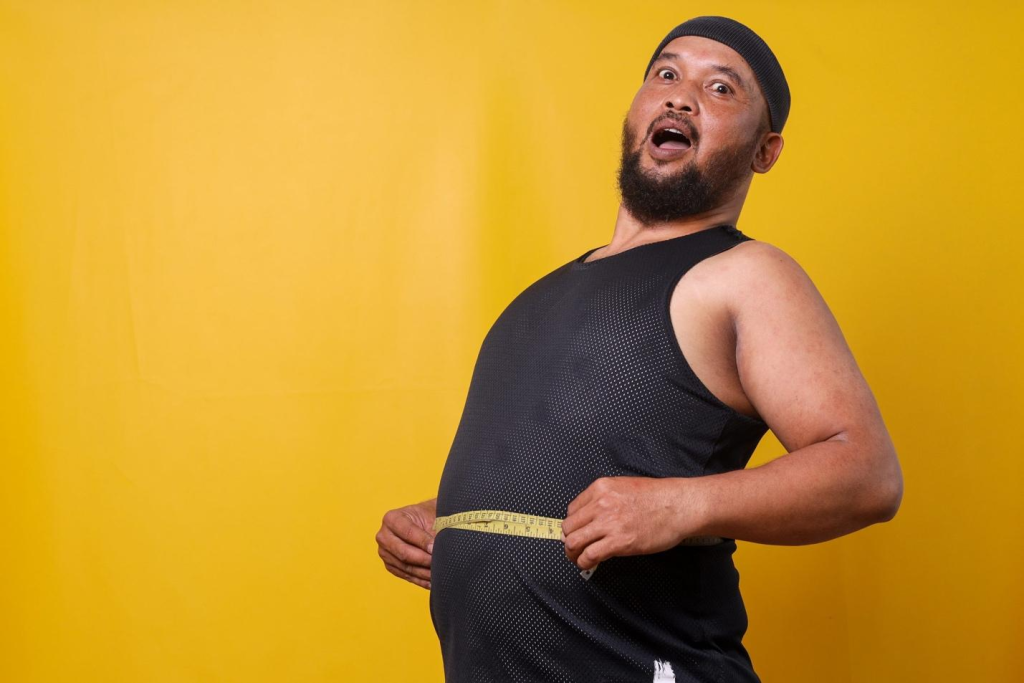
Measure around your waist at belly button level. If your BMI is over 30 you are “technically” overweight.
Other physical signs of obesity:
-
- Difficulty performing daily activities
-
- Shortness of breath during light activity
-
- Joint pain, especially in knees and back
-
- Excessive sweating
-
- Fatigue and low energy levels
Tunisian Dietary Habits That Contribute to Obesity
-
- Large portion sizes at family gatherings
-
- Multiple courses in traditional meals
-
- Late-night eating during Ramadan
-
- High-calorie traditional desserts
Lifestyle Factors
-
- Reduced physical activity in urban areas
-
- Extended family meals
-
- Social pressure to eat at gatherings
-
- Sedentary work environments
Simple Self-Assessment Questions
Ask yourself:
-
- Do your clothes feel increasingly tight?
-
- Do you get out of breath easily?
-
- Has your activity level decreased?
-
- Do you have difficulty finding clothes in your size?
-
- Has your doctor expressed concerns about your weight?

Daily Habits That Help
-
- Walk for at least 30 minutes daily
-
- Take stairs instead of elevators
-
- Park farther from destinations
-
- Stand or walk while talking on the phone.
-
- Use smaller plates
-
- Wait 20 minutes before eating a second serving
-
- Drink water 30 minutes before meals
-
- Plan meals in advance to include more healthy ingredients such as greens and other vegetables.
- Reduce the amount of oils and fats from frying foods.
- Reduce the amount of processed snacks between meals and opt for fresh fruits or nuts.
- Eat early evening, at least three hours before bedtime. If you get hungry late at night try low carb foods such as tuna with olives (skip the bread).
Early recognition and intervention are key to managing weight effectively. Remember, obesity can contribute to heart disease and other serious health issues that affect your quality of life. Always consult a healthcare provider for personalized advice and support.