
Stop Throwing Out Your Money
Tired of having to waste your hard-earned money throwing away spoiled food? Storing groceries correctly can reduce waste and save money.
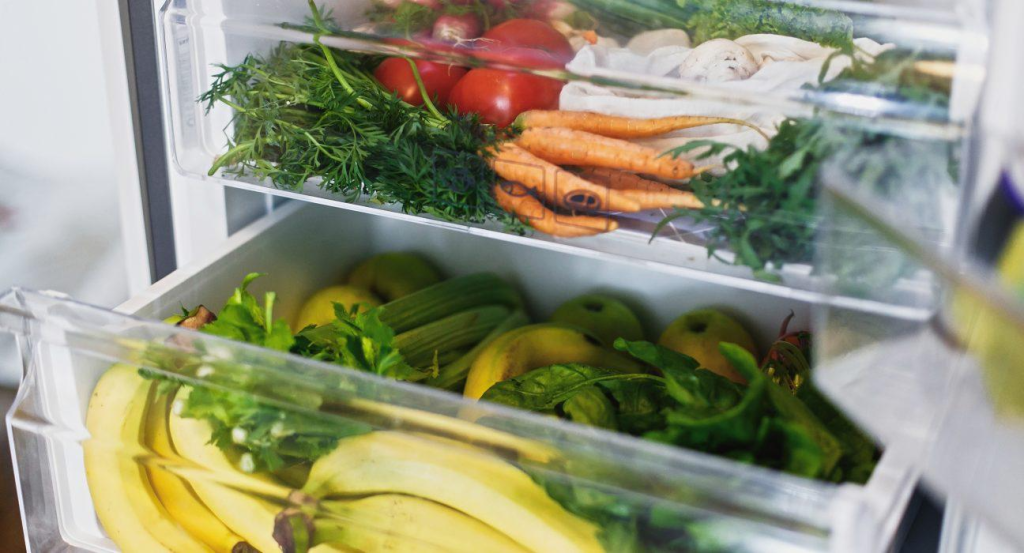
Tips for Storing Fruits and Vegetables: Fruits and vegetables spoil due to their high-water content. To keep them fresh for longer, store most fruits and vegetables in the refrigerator drawers. Separate fruits from vegetables, remove plastic wrappings and layer drawer with paper towel to absorb moisture. Wash and dry produce before storing them to prevent moisture buildup.
Specific Produce Storage Guidelines:
- Store tomatoes, bananas, avocados, and peaches at room temperature until ripe
- Keep potatoes and onions in separate dark, cool places to prevent sprouting
- Store herbs like parsley and cilantro upright in water, covered with a plastic bag
- Keep mushrooms in paper bags, not plastic, to prevent them from getting slimy
- Store leafy greens with paper towels to absorb excess moisture
Storing Dry Goods: Proper storage of dry goods helps to keep them fresh longer and preserve nutrients.
Flour: Store flour in airtight containers in a cool, dark place to prevent it from absorbing odors and moisture.
Rice and Pasta: Keep rice and pasta in sealed containers to protect them from insects and moisture.
Spices: Store spices in airtight containers away from heat and moisture to preserve their flavor and potency.
Grains: To keep grains fresh tasting, store in a cool, dry place in airtight glass containers.
Rice and Pasta: Keep rice and pasta in sealed containers to protect them from insects and moisture. Consider adding bay leaves to naturally repel pantry pests.
Spices: Store spices in airtight containers away from heat and moisture to preserve their flavor and potency. Whole spices last longer than ground spices.
Grains: To keep grains fresh tasting, store in a cool, dry place in airtight glass containers.
Refrigerator and Freezer Storage
Temperature Guidelines:
- Keep refrigerator at 40°F (4°C) or below
- Maintain freezer at 0°F (-18°C) or below
- Use a thermometer to monitor temperatures
Organization Tips:
- Store raw meat on the bottom shelf to prevent drips
- Keep dairy products in the main compartment, not the door
- Use clear containers to easily see contents
- Label everything with dates
- Follow the “first in, first out” rule
Leftover Storage Guidelines
- Cool foods completely before storing
- Store leftovers in airtight containers
- Use within 3-4 days
- Label containers with contents and date
- Don’t overfill containers – leave room for expansion
Signs Food Has Gone Bad
Watch for these indicators:
- Mold growth
- Off odors
- Unusual colors
- Slimy texture
- Fuzzy growth
- Bulging cans or containers
Food Storage Tools
Invest in these items for better food storage:
- Airtight glass containers
- Vacuum sealer
- Produce storage bags
- Glass mason jars
- Silicone food storage bags
- Clear bins for organization
- Label maker or masking tape for dating items
Tips for Extending Food Life
- Don’t wash berries until ready to eat
- Store apples away from other produce (they release ethylene gas)
- Keep butter in an airtight container to prevent absorbing fridge odors
- Wrap cheese in parchment paper, then loosely in plastic
- Store coffee in an airtight container in a dark place
- Keep nuts and seeds in the freezer to prevent rancidity
- Transfer canned goods to glass containers once opened
Remember: Proper food storage not only saves money but also helps maintain nutritional value and prevent food borne illness. Regular inventory checks and proper rotation of foods will help minimize waste and keep your food fresh longer.