
Concerned About Your Weight?
Overweight and obesity have become major public health concerns in Tunisia, with over 60% of adults classified as overweight or obese. This is largely due to a shift towards a more sedentary lifestyle and the adoption of a Western-style diet high in processed foods, refined carbohydrates, and unhealthy fats. Traditional Tunisian cuisine, however, is well-suited for weight loss when incorporated thoughtfully into a balanced meal plan.
The typical traditional Tunisian diet consists of a variety of whole, nutrient-dense foods like whole grains, legumes, vegetables, fruits, and healthy fats. Staples like couscous, harissa, olive oil, and fresh produce from the Mediterranean climate are all readily available. However, the modern Tunisian diet has become increasingly reliant on convenience foods, sugary beverages, and excess portions, leading to weight gain and related health issues.
By refocusing on seasonal Tunisian ingredients and traditional cooking methods, you can create delicious, filling meals that support weight loss efforts. This article will guide you through meal planning strategies using common Tunisian foods to help you lose weight and improve your overall health.
Embrace Seasonal Tunisian Produce
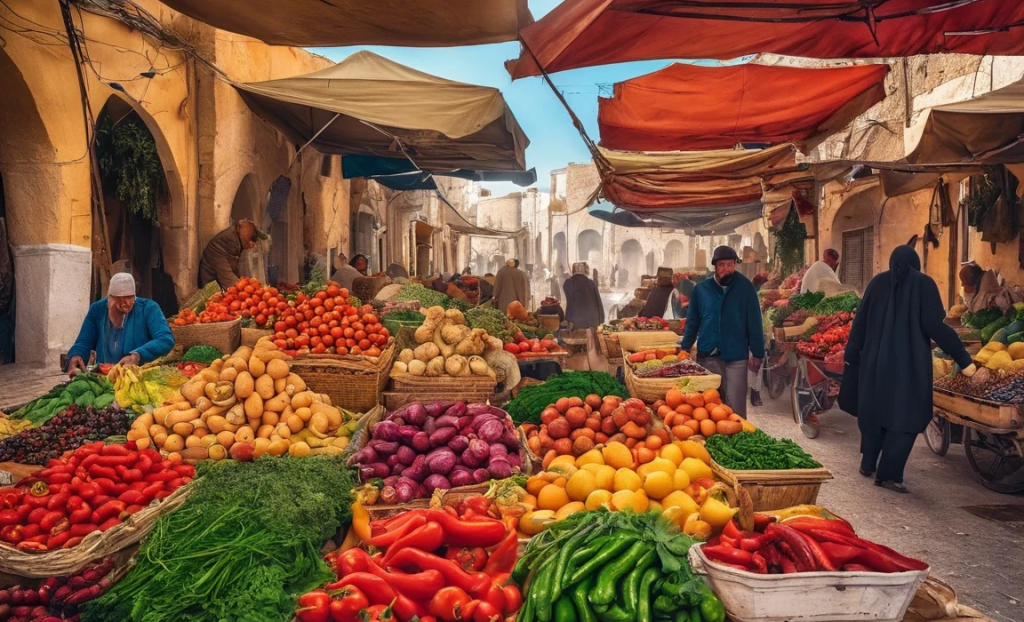
One of the best ways to incorporate weight-loss friendly Tunisian foods into your diet is to shop for and cook with seasonal local produce. Tunisia’s warm Mediterranean climate produces a bounty of fresh fruits and vegetables throughout the year.
In the spring, look for leafy greens like Swiss chard, spinach, and arugula, as well as crisp radishes, artichokes, and fresh herbs. Summer brings an abundance of tomatoes, eggplants, peppers, and juicy melons.
Fall harvests include squash, pomegranates, figs, and dates. And even in the winter, you can find hardy brassicas like cauliflower and broccoli, citrus fruits, and hearty root vegetables.
Focusing your meals on these seasonal options not only supports local agriculture, but also ensures you’re getting the most nutrient density and flavor from your ingredients. Plus, eating produce at its peak ripeness means you’re less likely to over-indulge, as these fresh foods tend to be quite filling.
Build Balanced Tunisian-Inspired Meals
With an understanding of seasonal Tunisian produce, you can start building out well-balanced meals that support your weight loss goals. Here are some tips:
Whole Grains: Choose whole grain couscous, bulgur, or whole wheat flatbreads as the base of your meals. These provide complex carbohydrates, fiber, and essential nutrients.
Lean Proteins: Incorporate lean protein sources like grilled fish, roasted chicken, or plant-based options like lentils, chickpeas, or fava beans. These, help keep you feeling full and satisfied.
Healthy Fats: Use heart-healthy olive oil for cooking and in dressings. Nuts, seeds, and avocado also make great fat sources.
Produce: Fill half your plate with a variety of colorful vegetables, either raw, roasted, or sautéed. Fruit makes a great sweet, low-calorie dessert or snack.
Spices & Herbs: Lean on Tunisian spice blends like harissa, ras el hanout, and baharat to add big flavor without extra calories or salt.
By building your meals in this way, you’ll create dishes that are nutrient-dense, filling, and satisfying – all while supporting your weight loss efforts.
Sample Tunisian-Inspired Meal Plan
Here’s a 3-day sample meal plan to get you started:
Day 1:
– Breakfast: Whole wheat couscous porridge with fresh figs, pistachios, and a drizzle of honey
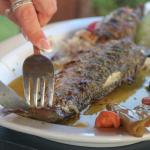
– Lunch: Grilled fish over a bed of sautéed Swiss chard, tomatoes, and olives
– Dinner: Roasted vegetable and chickpea stew seasoned with harissa
Day 2:
– Breakfast: Plain Greek yogurt topped with fresh berries and toasted sesame seeds
– Lunch: Falafel lettuce wraps with sliced cucumbers, carrots, and tahini sauce
– Dinner: Grilled chicken skewers with roasted sweet potato wedges and a side salad
Day 3:
– Breakfast: Egg scramble with sautéed spinach, bell peppers, and whole wheat pita
– Lunch: Lentil and bulgur stuffed eggplant boats
– Dinner: Baked cod over a bed of quinoa tabbouleh
Remember, the key is to focus on whole, minimally processed Tunisian ingredients and build meals that are filling, nutritious, and satisfying. With a little planning, you can lose weight while still enjoying the vibrant flavors of Tunisian cuisine.