

How to Avoid It
Diabetes is a growing health problem in Tunisia, with the country facing some of the highest rates of the disease in the MENA region at 10.8% of the population in 2021 according to the International Diabetes Federation. Type 2 Diabetes is projected to increase to 26.6% overall (28.6% in men and 24.7% in women) by 2027. While traditional Tunisian diet tends to be generally healthy, increasing urbanization, sedentary lifestyles, and the adoption of Western dietary habits have all contributed to the rise of type 2 diabetes in the country.
The Tunisian kitchen stll holds the keys to better managing this chronic condition. Traditional Tunisian foods and cooking methods are not only delicious, but also offer natural ways to help control blood sugar levels and improve overall metabolic health. In this article, we’ll explore some of the local ingredients and dishes that make the Tunisian diet a potential diabetes-fighting powerhouse.
Harnessing the Power of the Tunisian Pantry
One of the hallmarks of Tunisian cuisine is its heavy reliance on fresh, whole foods that are low in processed carbohydrates and high in nutrients. Many of these ingredients have been shown to have a positive impact on blood sugar regulation:
Olive Oil
As the primary cooking fat in Tunisian dishes, extra virgin olive oil is a rich source of monounsaturated fats, which can help improve insulin sensitivity and reduce inflammation – both key factors in diabetes management.
Dates
Sweet and caramel-like, dates are a beloved Tunisian snack and ingredient. While dates do contain natural sugars, their high fiber content helps slow the absorption of those sugars, preventing blood sugar spikes.
Barley
A staple grain in Tunisian soups, stews, and side dishes, barley is a complex carbohydrate that is digested slowly, leading to gradual increases in blood glucose levels.
Herbs and Spices
The Tunisian kitchen utilizes a wide variety of aromatic herbs and spices, many of which have been shown to possess anti-diabetic properties. These include cumin, coriander, caraway, and mint.
Embracing Traditional Tunisian Cooking Methods
In addition to the ingredients themselves, the traditional preparation methods used in Tunisian cuisine can also be beneficial for controlling blood sugar:
Slow Cooking
Many Tunisian dishes, such as lamb tagine and lentil stew, involve long, slow cooking processes. This gentle heating helps break down complex carbohydrates into simpler sugars that are more slowly absorbed by the body.
Minimal Processing
Tunisian cooks tend to use whole, minimally processed foods, avoiding the added sugars, refined flours, and unhealthy fats found in many modern, convenience-oriented foods. This helps stabilize blood glucose levels.
Fermentation
Fermented Tunisian foods like harissa and shelf-stable vegetable pickles contain beneficial bacteria that may improve gut health and insulin sensitivity.
As Tunisia continues to grapple with rising diabetes rates, the traditional foods and preparation methods of Tunisian cuisine offer a potential solution right in the nation’s own culinary heritage. By embracing local, whole food ingredients and time-honored cooking techniques, Tunisians can harness the natural blood sugar-regulating power of their kitchen to combat this chronic disease. With a little creativity and a return to cultural ways of cooking, the Tunisian diet can become a powerful tool in the fight against diabetes.
If you have diabetes or even if you are borderline, it’s important to be mindful of certain foods that can affect your blood sugar levels. Here are some foods to avoid:
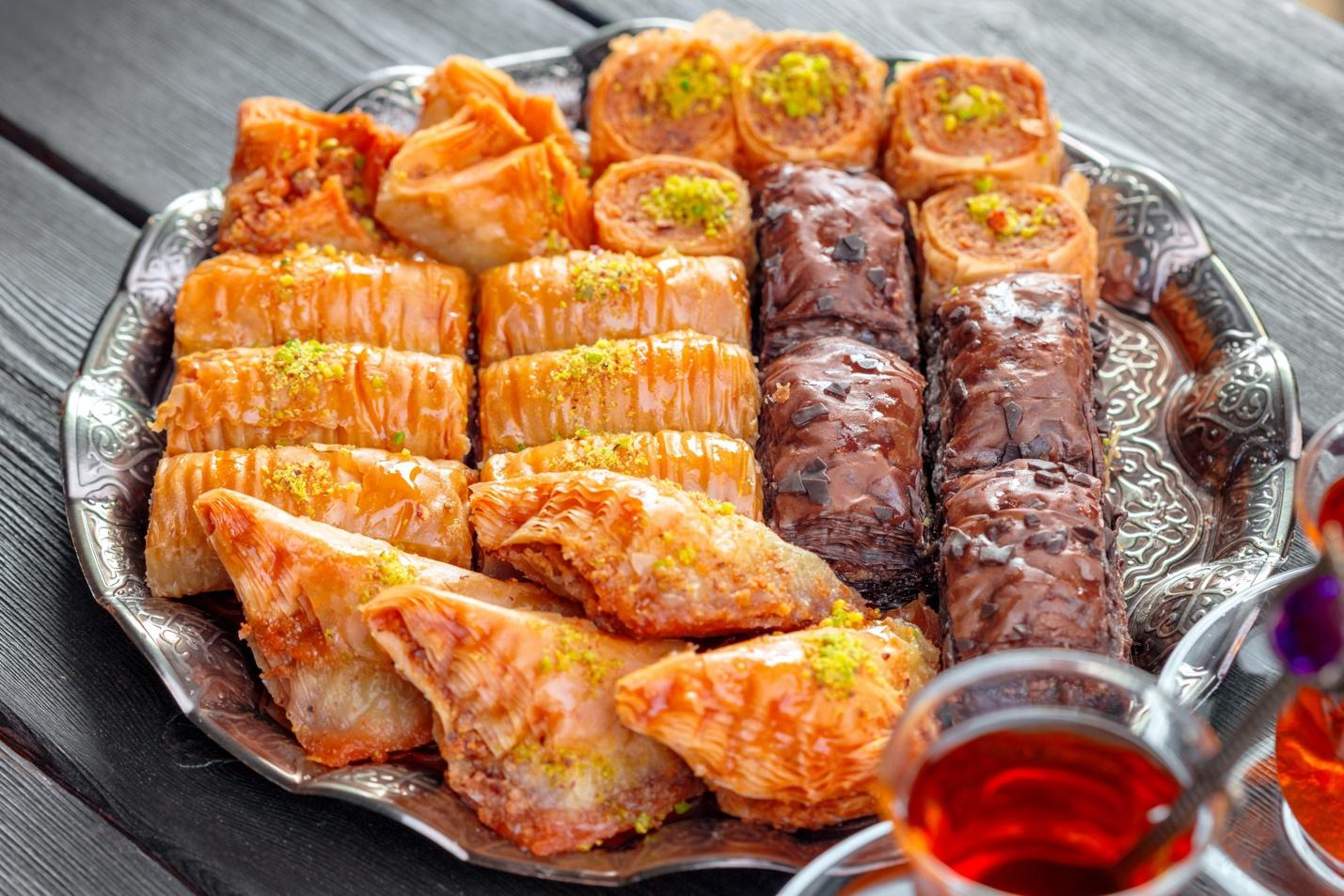
- Sweets and Desserts: Traditional Tunisian sweets like baklava and bambalouni are high in oils and added sugars.
- Refined Grains: Avoid white bread, white rice, and other refined grains commonly found in Tunisian cuisine.
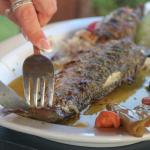
- Deep-Fried Foods: Many Tunisian dishes are fried, such as fried fish and fried vegetables, which can be high in unhealthy fats.
- Sweetened Beverages: Drinks like sugary sodas and fruit juices can cause blood sugar spikes.
- Ultra-Processed Foods: Avoid foods with high levels of added sugars, unhealthy fats, and preservatives, such as some packaged snacks and fast food items.
By being moderate with these foods, you can better manage your diabetes while still enjoying the flavors of Tunisian cuisine.