

Why Nabeul?
Harvesting Tunisia’s Garden
Nestled along Tunisia’s northeastern coast, the region of Nabeul has long been celebrated as one of North Africa’s most fertile agricultural zones. Known locally as “Tunisia’s garden,” this verdant peninsula combines rich soil, Mediterranean climate, and centuries-old farming traditions to produce some of the country’s finest agricultural products.
The region’s agricultural success story begins with its distinctive microclimate. Sheltered by the Cap Bon peninsula and blessed with reliable rainfall patterns, Nabeul’s farmers enjoy conditions that support year-round cultivation. Ancient Phoenicians recognized this potential millennia ago, establishing settlements that would evolve into today’s thriving agricultural communities.
Citrus cultivation stands as the crown jewel of Nabeul’s agricultural sector. The region’s orange groves produce the famous Maltaise oranges, prized throughout the Mediterranean for their rich flavor and ruby-tinged flesh. These distinctive fruits, harvested between December and March, have earned protected geographical indication status, cementing their place as a premium export product.
Beyond citrus, Nabeul’s farms are a patchwork of diversity. Market gardens produce tomatoes, peppers, and potatoes that feed both local markets and export demands. The region’s olive groves, some containing trees centuries old, produce high-quality olive oil that continues to gain recognition in international markets. Perhaps most distinctively, Nabeul leads Tunisia’s production of geraniums and bitter orange blossoms, supporting a thriving essential oil industry that supplies the global perfume trade.
Traditional farming methods persist alongside modern innovations. Many farmers still practice time-honored techniques passed down through generations, particularly in water management. The region’s ingenious irrigation systems, some dating back to Roman times, have been gradually modernized while maintaining their fundamental efficiency. However, challenges loom. Climate change has brought increasingly erratic weather patterns, pushing farmers to adopt water-conservative practices and drought-resistant crops.
Small family farms remain the backbone of Nabeul’s agricultural sector, though cooperatives have emerged to help farmers access modern equipment and international markets. These cooperatives play a crucial role in preserving traditional farming knowledge while incorporating sustainable practices that ensure long-term viability.
The impact of Nabeul’s agricultural success extends beyond the fields. Local markets burst with fresh produce, supporting a vibrant food culture that attracts tourists and culinary enthusiasts. Agricultural processing facilities provide employment opportunities, while the essential oil industry has spawned a parallel artisanal sector producing traditional cosmetics and perfumes.
As Tunisia navigates the challenges of the 21st century, Nabeul’s agricultural sector stands as a model of resilience and adaptation. By balancing tradition with innovation, the region’s farmers continue to cultivate not just crops, but a sustainable future for generations to come.
Cultivating Nabeul’s Culinary Excellence
Nabeul has long been a hub of culinary excellence, drawing on centuries of cultural exchange and the bounty of the Mediterranean. This coastal gem’s gastronomic legacy is intricately woven into the fabric of its history, reflecting the diverse influences that have shaped the region over time.
Nabeul’s strategic location has played a pivotal role in its culinary development. As a major trading port, the city has been a crossroads for merchants and travelers from across the Mediterranean, each bringing their own unique dishes and preparation techniques. The Phoenicians, Greeks, Romans, Byzantines, and Arabs have all left an indelible mark on Nabeul’s culinary landscape, creating a rich tapestry of flavors that has endured to this day.
At the heart of Nabeul’s culinary identity lies the use of locally sourced, high-quality ingredients. The fertile plains surrounding the city produce an abundance of fresh produce, from juicy tomatoes and crisp cucumbers to fragrant herbs and aromatic spices. The nearby waters teem with a bountiful harvest of seafood, including succulent fish, crustaceans, and mollusks. These ingredients are skillfully woven together by the city’s talented chefs, who have honed their craft over generations, creating dishes that are simultaneously simple and sophisticated.
No exploration of Nabeul’s culinary heritage would be complete without mentioning the city’s renowned pastries and desserts. From the flaky, honey-drenched baklava to the fragrant, almond-studded makroudh, these sweet delicacies showcase the region’s mastery of intricate pastry-making and the clever use of local ingredients like dates, nuts, and aromatic spices.
One of the most iconic culinary traditions in Nabeul is the preparation of couscous. In Nabeul, couscous is often served with a variety of slow-cooked meat stews, fragrant vegetable dishes, and tangy sauces that showcase the region’s unique blend of spices and flavors. The art of couscous-making is passed down from one generation to the next, with each household developing its own signature techniques and secret ingredients.
Today, the culinary traditions of Nabeul continue to thrive, with chefs and home cooks alike preserving the time-honored recipes and techniques that have sustained the city’s gastronomic legacy for centuries. Whether you’re savoring a steaming plate of couscous or indulging in a decadent pastry, a journey through Nabeul’s culinary landscape is a true celebration of the region’s rich history and the enduring power of food to bring people together.
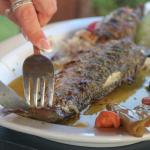
Beyond couscous, Nabeul is renowned for its wide array of grilled and roasted meats, including succulent lamb, tender beef, and flavorful poultry. These dishes are often accompanied by a selection of vibrant salads, such as the famous Salade Mechouia, a roasted pepper and tomato salad seasoned with garlic, lemon, and olive oil.


Embracing Traditional Tunisian Cooking Methods
In addition to the ingredients themselves, the traditional preparation methods used in Tunisian cuisine can also be beneficial for controlling blood sugar:
Slow Cooking
Many Tunisian dishes, such as lamb tagine and lentil stew, involve long, slow cooking processes. This gentle heating helps break down complex carbohydrates into simpler sugars that are more slowly absorbed by the body.
Minimal Processing
Tunisian cooks tend to use whole, minimally processed foods, avoiding the added sugars, refined flours, and unhealthy fats found in many modern, convenience-oriented foods. This helps stabilize blood glucose levels.
Fermentation
Fermented Tunisian foods like harissa and shelf-stable vegetable pickles contain beneficial bacteria that may improve gut health and insulin sensitivity.
Conclusion
As Tunisia continues to grapple with rising diabetes rates, the traditional foods and preparation methods of Tunisian cuisine offer a potential solution right in the nation’s own culinary heritage. By embracing local, whole food ingredients and time-honored cooking techniques, Tunisians can harness the natural blood sugar-regulating power of their kitchen to combat this chronic disease. With a little creativity and a return to traditional cooking, the Tunisian diet can become a powerful tool in the fight against diabetes.